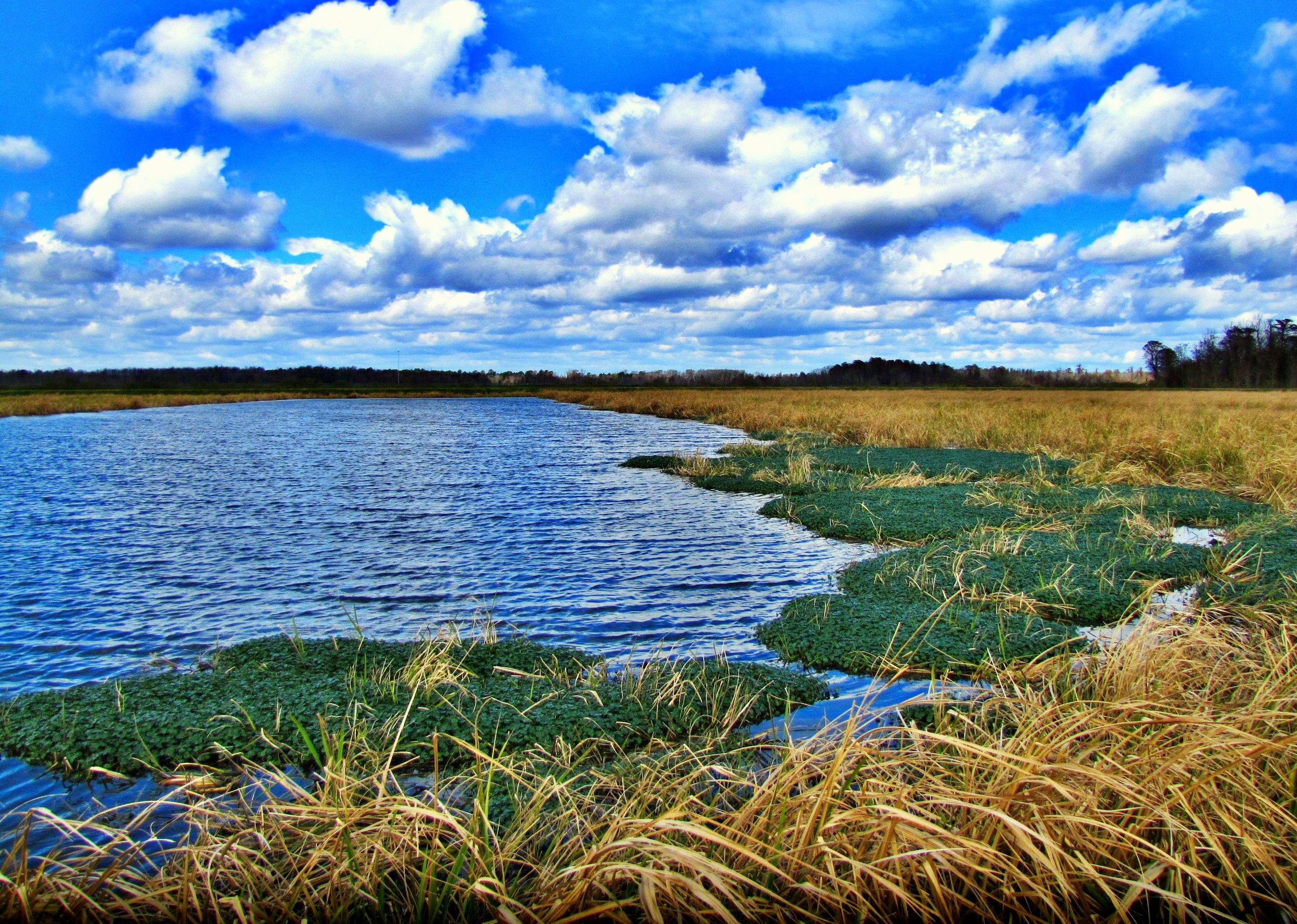
Phinizy Swamp Floodplain

Crocker Lab

Uncovering simplicity in the microbiome

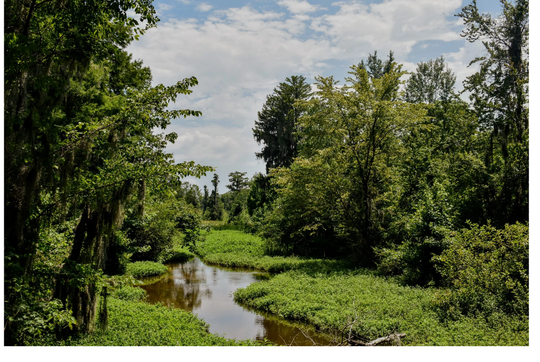
Phinizy Swamp Floodplain

Microbial communities are critically important biological systems, with impacts ranging from human health to the global climate. The rapid improvement of genetic sequencing technology over the past two decades was expected to give rise to a predictive microbiome science to facilitate design and control of these vital systems. However, building a predictive approach robust to the complexity of microbial communities in the wild remains a challenge. Our lab seeks to address this challenge by discovering underlying structure in natural microbial communities. We do this by employing a combination of statistics, machine learning, wet-lab experimentation, and mathematical modeling to bypass species-level complexity and develop a predictive understanding of these vital ecosystems.

NEWS

  • We are recruiting! Please reach out to Kyle if you are interested in joining the lab.
  • August 2026: Kyle is starting at Augusta University in the Physics and Biophysics Department.
Research

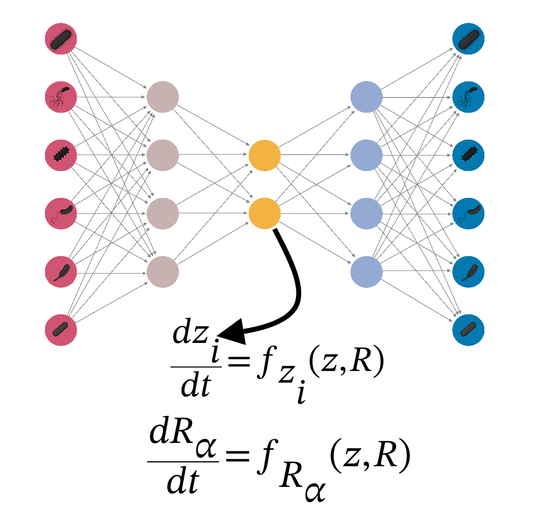
Low-dimensional feast and famine dynamics in environmental microbiomes

.js-id-feast-famine

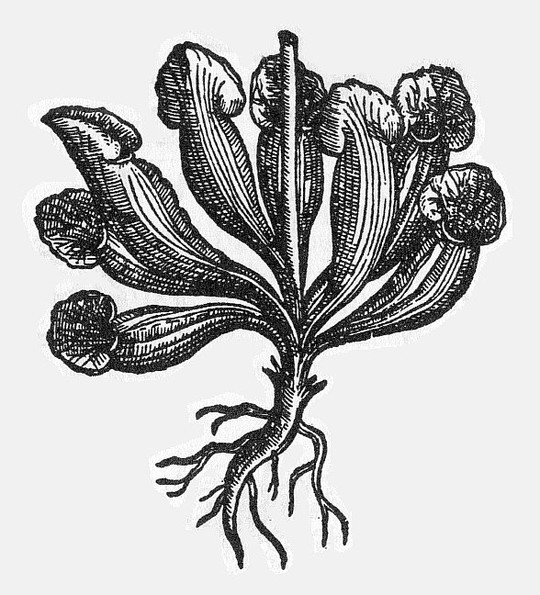
Pitcher plant colonization dynamics

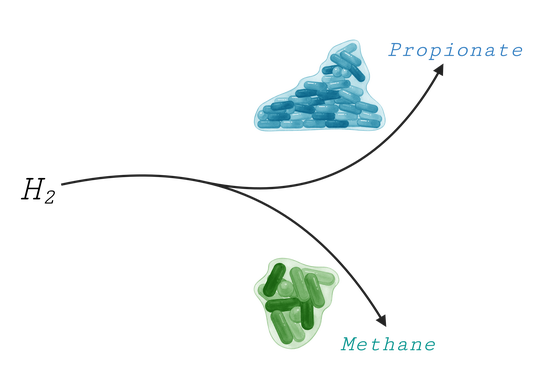
Guild competition in the cow rumen microbiome

Drivers of successional dynamics in soil wet-dry cycles

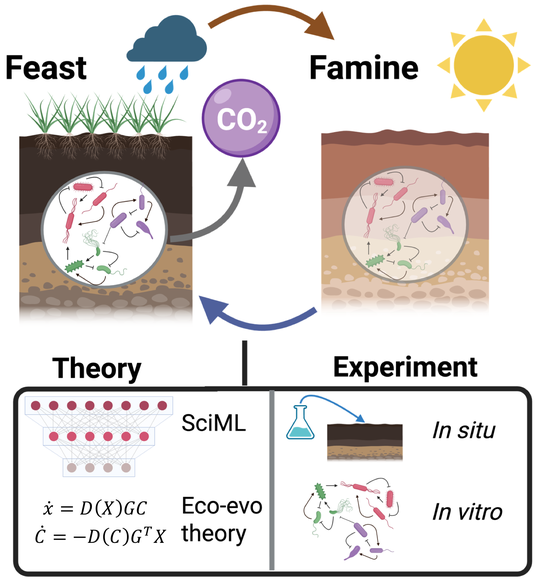
Soil rewetting, which stimulates nutrient release and triggers rapid metabolism in the soil microbiome, is fundamental to global nutrient cycling. CO2 emission from rewetting events is responsible for a significant fraction of all carbon release in dryland ecosystems. Intriguingly, stereotypical successional patterns are observed in microbial acrivity following rewetting events. In this project, we ask 1) how these low-dimensional patterns emerge from ecological and evolutionary self-organization of microbial communities and 2) whether we can leverage successional structure to predict nutrient flux through natural microbiomes.

Functional guilds in host-associated microbiomes

.js-id-host-microbiome

Pitcher plant colonization dynamics

Guild competition in the cow rumen microbiome

Drivers of successional dynamics in soil wet-dry cycles

Soil rewetting, which stimulates nutrient release and triggers rapid metabolism in the soil microbiome, is fundamental to global nutrient cycling. CO2 emission from rewetting events is responsible for a significant fraction of all carbon release in dryland ecosystems. Intriguingly, stereotypical successional patterns are observed in microbial acrivity following rewetting events. In this project, we ask 1) how these low-dimensional patterns emerge from ecological and evolutionary self-organization of microbial communities and 2) whether we can leverage successional structure to predict nutrient flux through natural microbiomes.

People

Principal Investigator

Kyle Crocker

Kyle Crocker

Assistant Professor

Department of Physics and Biophysics

College of Science & Mathematics

Augusta University

kycrocker@augusta.edu